

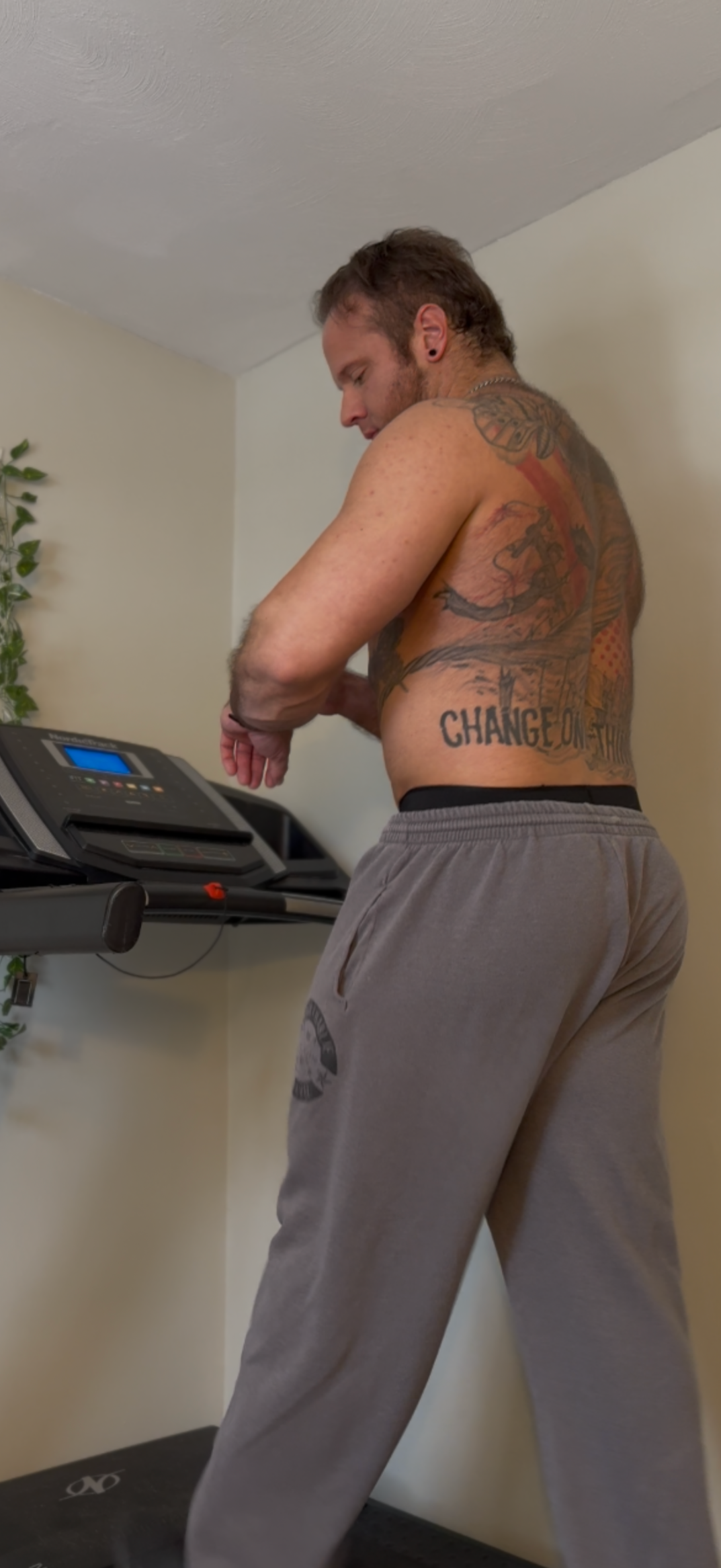
How Increasing My NEAT Changed Everything
When I made the switch to bodybuilding, I quickly realized how much better I felt once I started intentionally increasing my NEAT (Non Exercise Activity Thermogenesis), which is just a fancy way of saying “the calories and benefits you get from daily movement that isn’t formal exercise.” Things like walking, taking the stairs, or just staying on your feet more throughout the day.
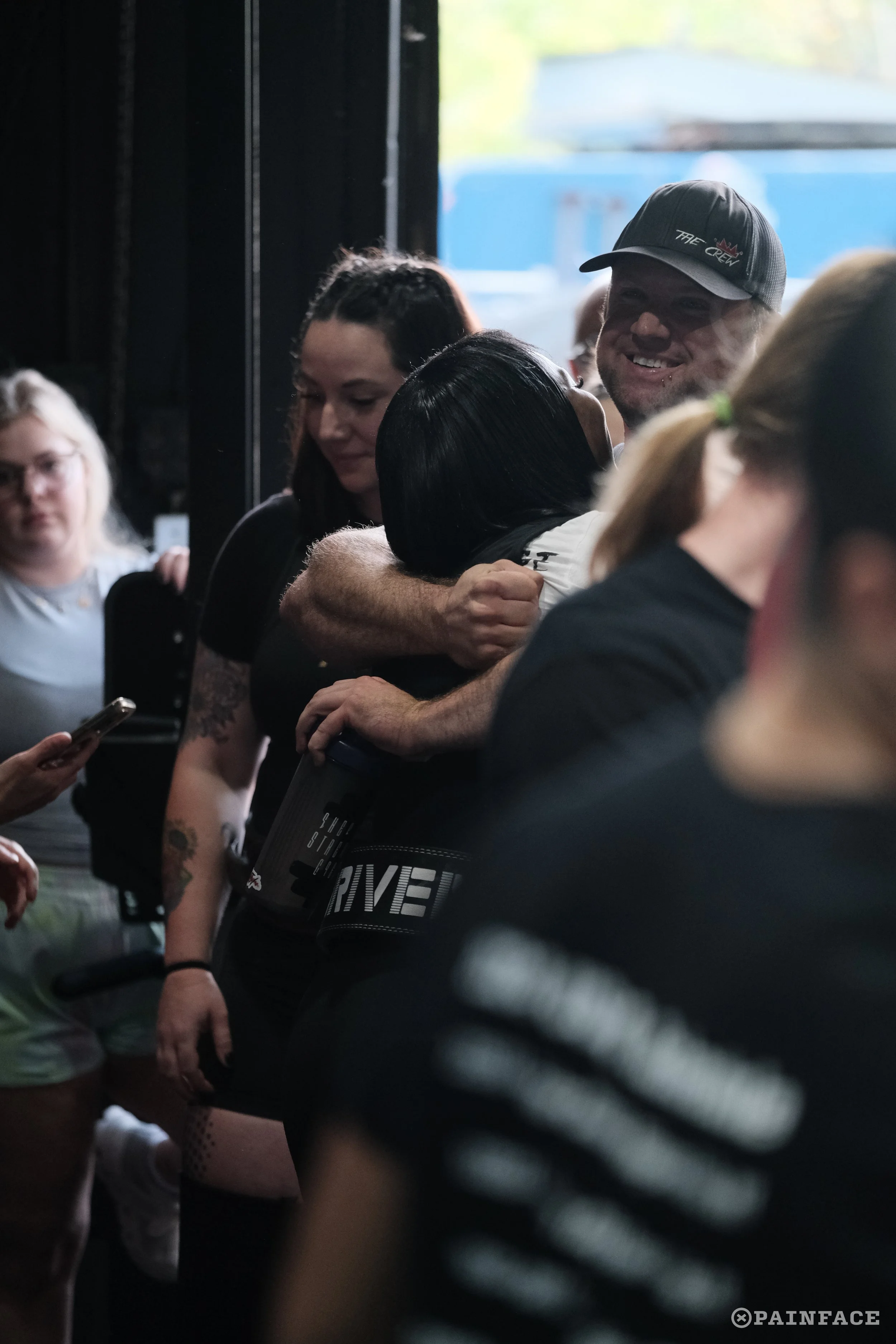
Why Having the Right Coach Matters
Let’s be honest, the barrier to entry in online coaching is zero.
You don’t need a certification, any real experience, or even time under a barbell to call yourself a “coach” these days. Anyone with a social media account can start selling programs overnight and that’s exactly why so many lifters end up frustrated, spinning their wheels, or even injured due to following plans made by people who don’t truly understand what they’re doing.
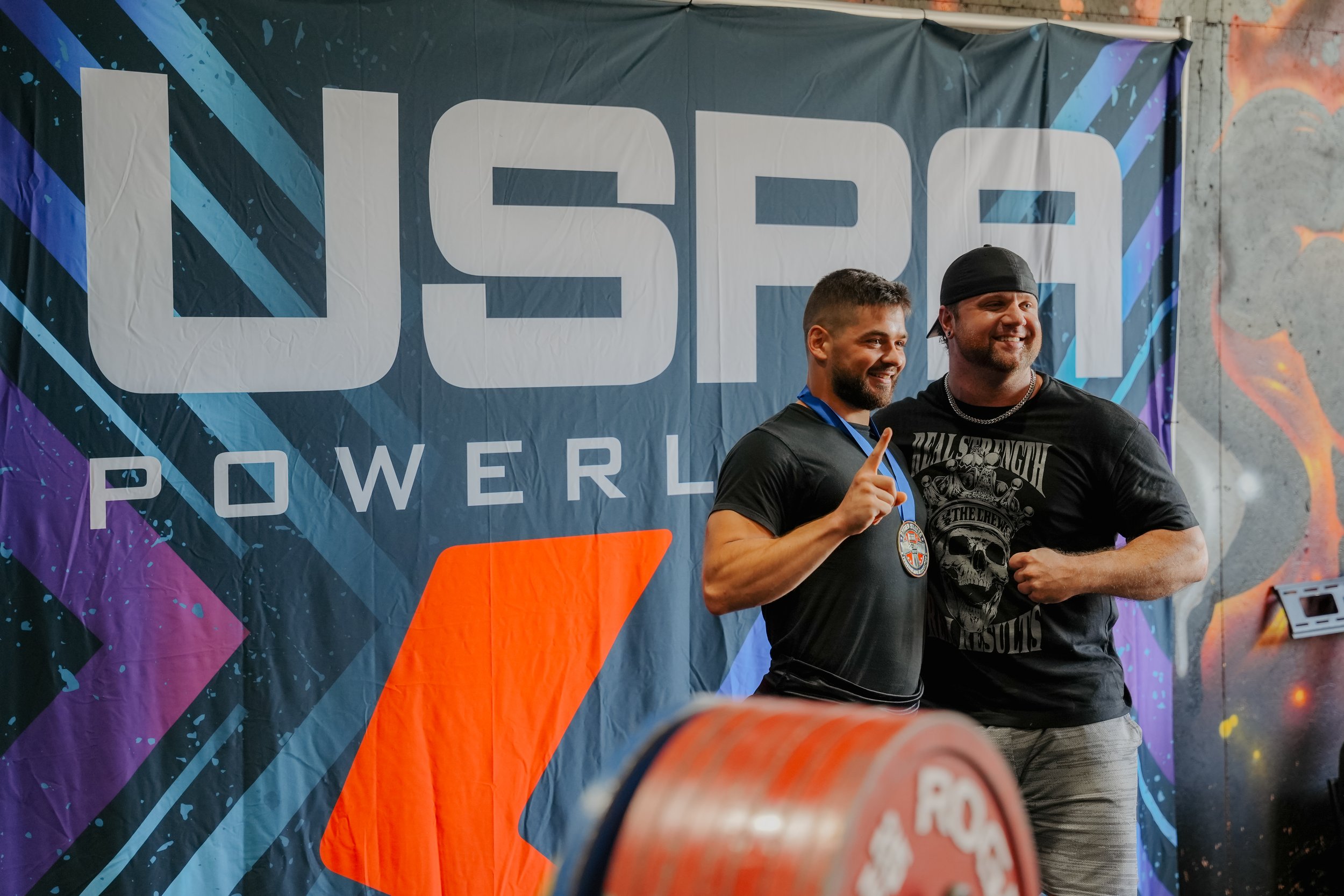
Why Challenging Yourself Leads to Fulfillment
Since being off work to recover from my bicep repair surgery, I’ve noticed something interesting. On the days when I let myself be lazy, aside from handling my athletes’ programs, emails, and behind the scenes work for the gym, my overall happiness takes a dip.
For me, I’ve found that there’s a direct correlation between productivity and fulfillment.

Reflections on the Chase - From a 2000lb Total to Building Something Greater
One of the things I talked about on the the most recent Powerlifter’s Den Podcast that I was a guest on was how much easier it was to stay locked in on my goals back when I was chasing my 2000lb total.
At that time, Legends didn’t exist. I wasn’t coaching any athletes. I had just moved into my first townhouse, working one full-time job with one goal in mind and that was to become the best powerlifter Rochester has seen and do my part to grow the sport in this city.
That was my entire focus and life was simple. Everything I did revolved around training, recovery, and progress. There were no distractions, no competing responsibilities, just pure obsession with getting stronger.

Understanding RPE Wave Progressions Through the SRA Lense
For stronger lifters (those handling very heavy absolute weights) even RPE 7 or 8 sets can create significant systemic fatigue. By the time week 4 rolls around, they’re still carrying that residual fatigue, which limits both performance potential and recovery.

Congrats Owen Callahan - New World Record Holder for The Crew!
Not many coaches can say they’ve worked with an all-time world record holder. I’ve been lucky enough to have had a hand in coaching a few, but this one was special.

Training Around Pain - Smarter Rehab for Long-Term Strength
One of the biggest mistakes lifters make when they get injured is swinging too far in one direction by either pushing through sharp pain or avoiding training the area entirely. Both extremes can slow down recovery. The truth lies in the middle, listening to your body, moving through pain free ranges of motion, and gradually expanding that range as the joint or muscle heals.
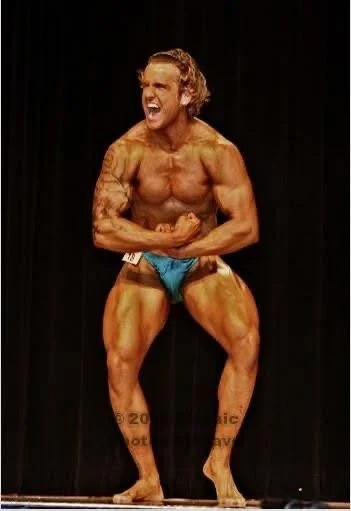
From Setback to New Beginning: Why I’m Returning to Bodybuilding
It’s taken me a little while to put this into words. When injuries happen, it’s not just your body that takes a hit, it’s your mindset, your confidence, and your sense of direction. Over the past few months, I’ve had to face all of that head on once again. Only this time, is a little bit different.
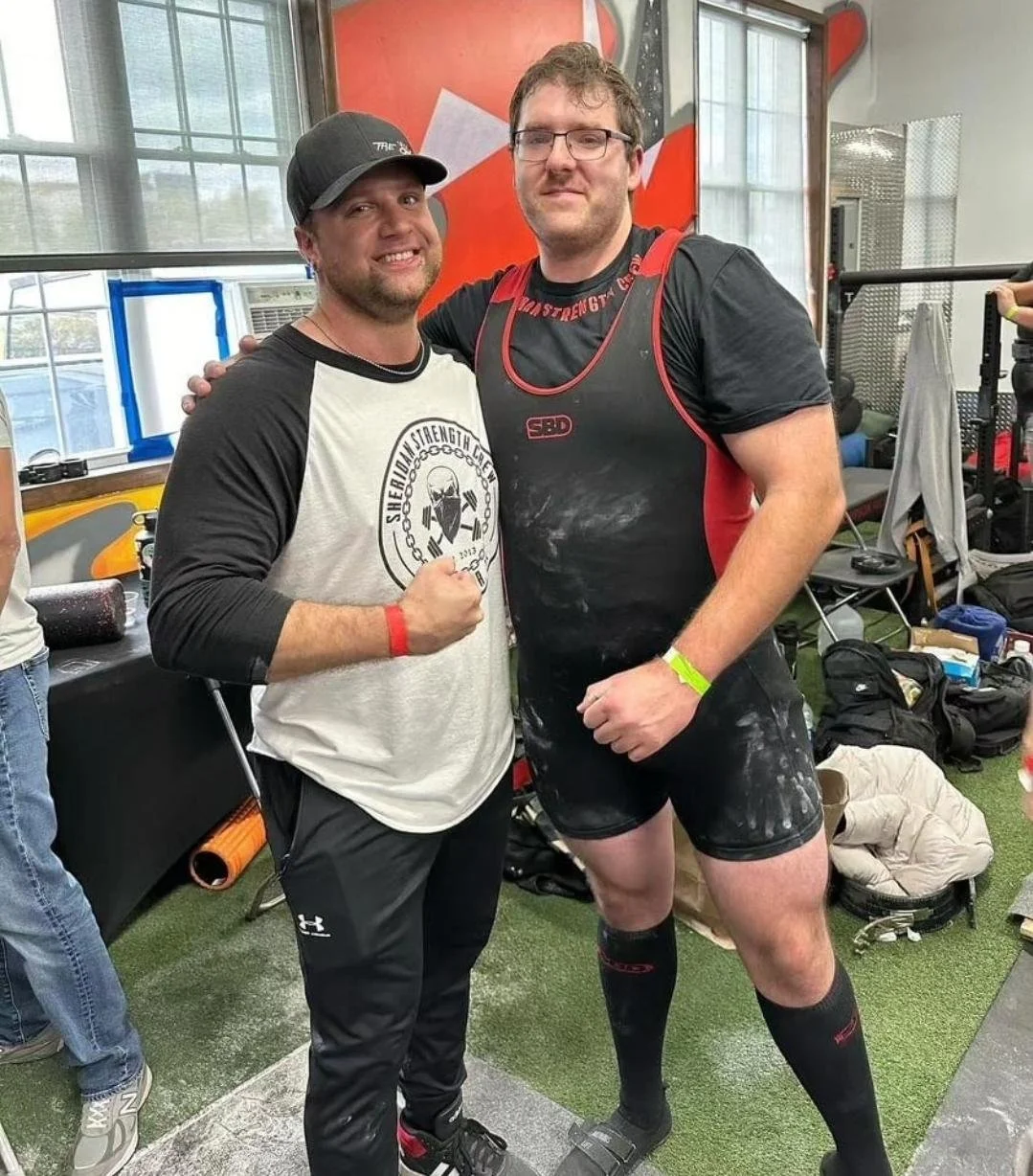
Rethinking Block Lengths in Powerlifting - Why 4 Week Waves Aren’t the Only Answer
As a coach and gym owner, one of the most common programming trends I see lifters following is the idea of 4 week waves. A lot of newer coaches default to the modern 4 week wave modality with week one as an intro, weeks two and three build in difficulty, and week four is the heavy/intensity week before a reset.

Tips for Conventional Deadlifters Learning Sumo
Many lifters who pull conventional eventually experiment with sumo, whether to find better leverage, train opposite stance in the off-season, reduce back strain, or chase bigger numbers but transitioning isn’t as simple as widening your stance. It requires a new approach, new cues, and often a big mindset shift.
Here are the biggest tips and considerations I’ve learned as a coach when teaching conventional pullers how to build their sumo.

Your Warm-Up Might Be Sabotaging Your Heavy Lifts
Every lifter knows they should warm up before heavy training but what most lifters don’t realize is that how you warm up can make or break your top sets.

Why You Keep Missing Deadlifts at Lockout and How to Fix It
Lockout problems in the deadlift are one of the most frustrating issues for lifters. You pull the bar past your knees, you’re right there, but it just stalls out and refuses to move. The natural assumption is, “I need to work my lockout.” But in reality, most lockout issues don’t actually start at lockout, they start from the floor.

Why I ask About Favorite (and Least Favorite) Movements During Onboarding
A key question I ask new clients during our onboarding call is:
“What are your favorite accessory movements?”
Right away, most people light up. They’ll list a few exercises they enjoy and things that feel good, make them feel strong, or give them a sick pump bro. Then I follow it up with:
“What movements do you dislike?”
Almost every time, the answer is the same:
“As long as it works, I’ll do it.”

Respect the Reset
In strength training, we spend a lot of time talking about progressive overload, recovery, and managing physical fatigue. But one thing I’ve seen constantly overlooked, both in lifters I coach and in my own journey as a competitive athlete, is how important deloads and transition weeks are for your mind.
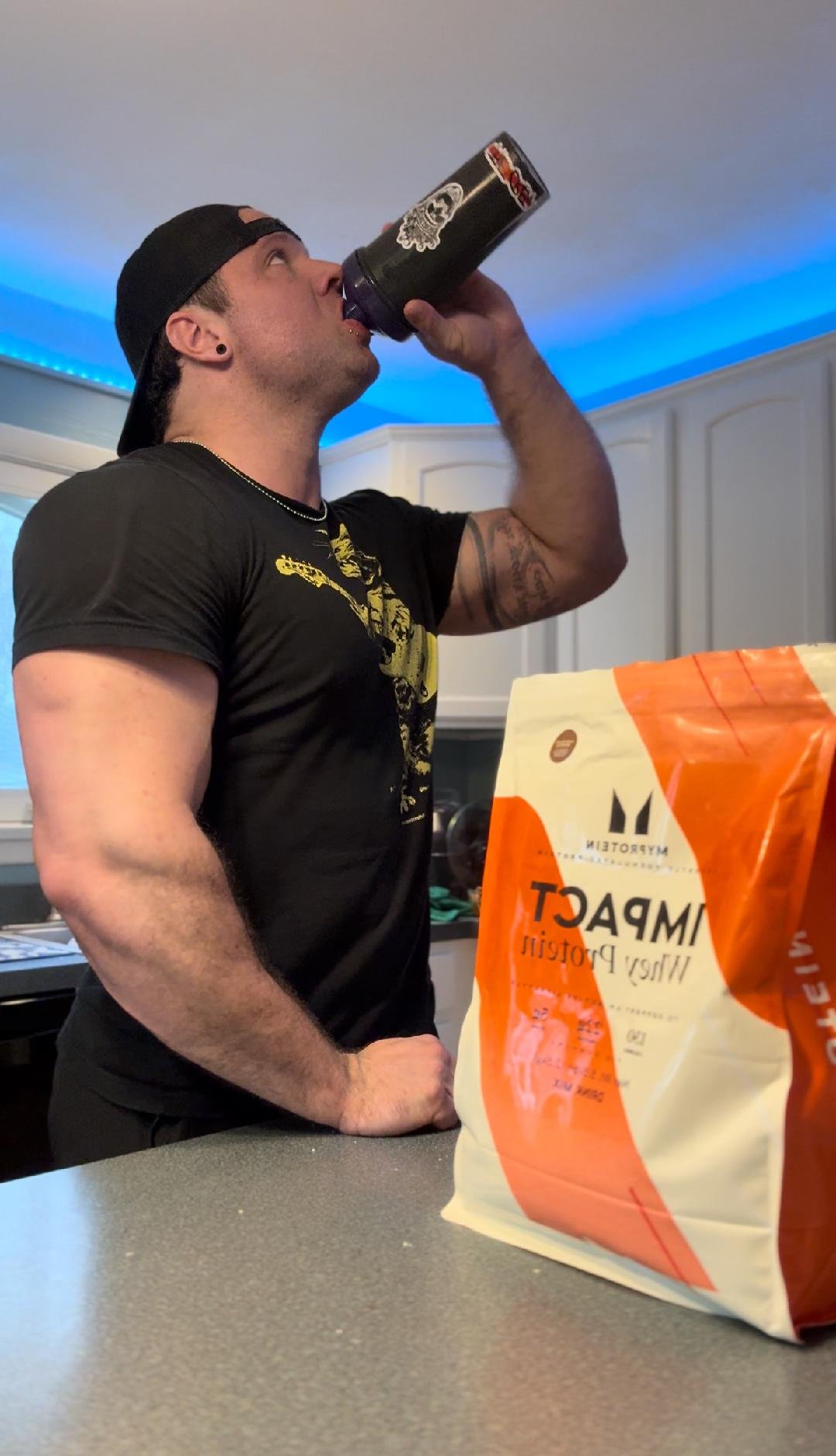
Why Liquid Calories Are My Go-to For Building Muscle Mass
If I had a dollar for every lifter who told me, “I’ve tried everything, I just can’t gain weight,” I could retire and live off protein shakes by the lake.
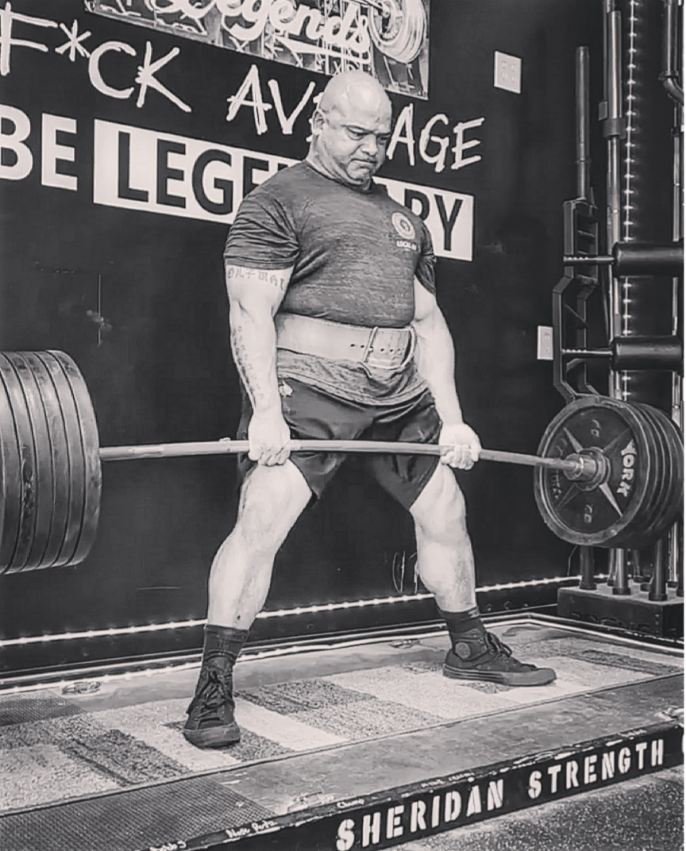
Why Strength Training is a Non-Negotiable
As a competitive powerlifter and strength coach, strength training has shaped my life in more ways than I can count. I’ve spent years under the bar building my own strength and helping others do the same. But the truth is strength training isn’t just for lifters like me. It’s one of the most powerful tools anyone can use to feel better, move better, and live a longer, healthier life.
What Should 6 Months Between Powerlifting Meets Look Like?
Too many lifters waste the time between meets by staying too close to meet prep year-round or hopping randomly from block to block with no bigger plan. A well structured 6 month macrocycle should be broken into mesocycles, each with a defined purpose that feeds into the next.
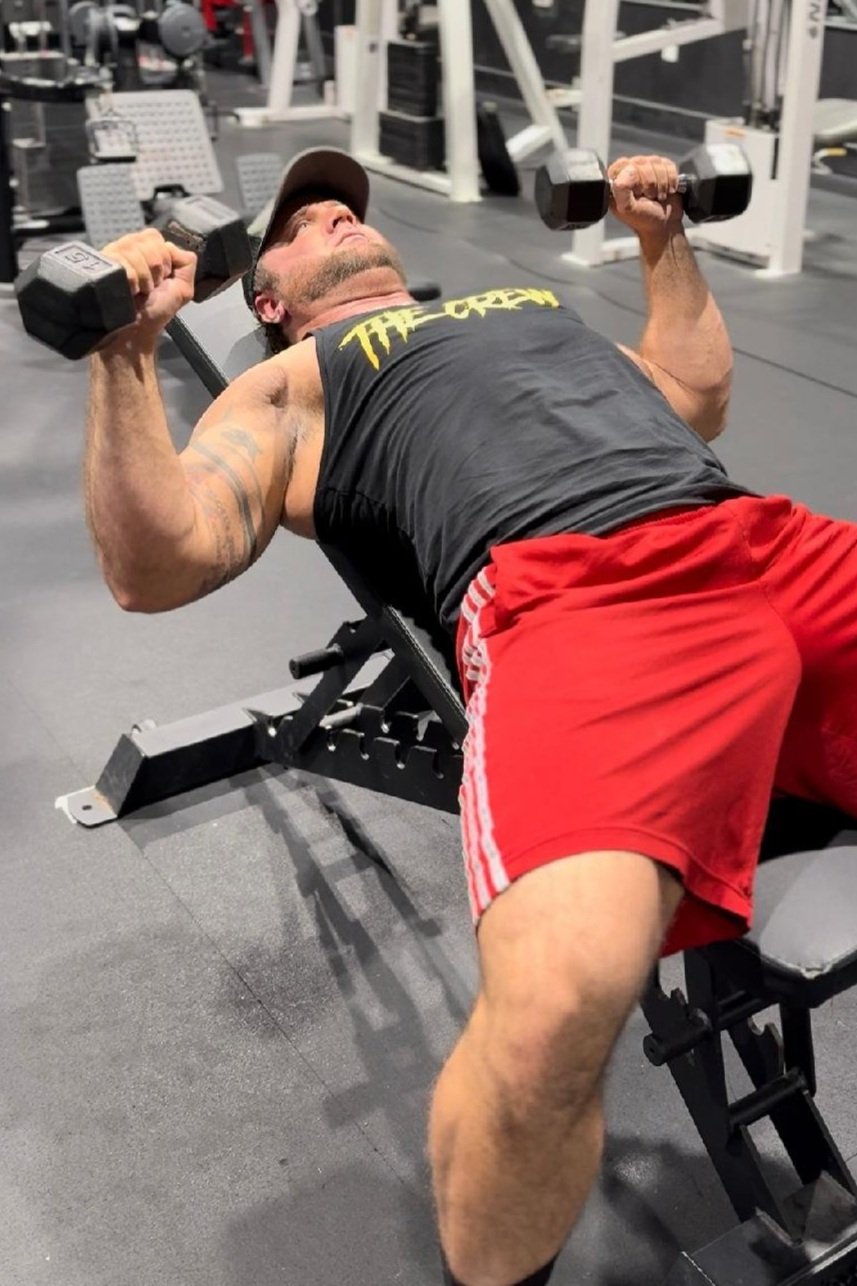
Angle The Dumbbells for Proper DB Pressing
When performing a dumbbell bench press, the angle of the dumbbells should generally slightly angle inward, not held straight like a barbell. Here’s how and why…
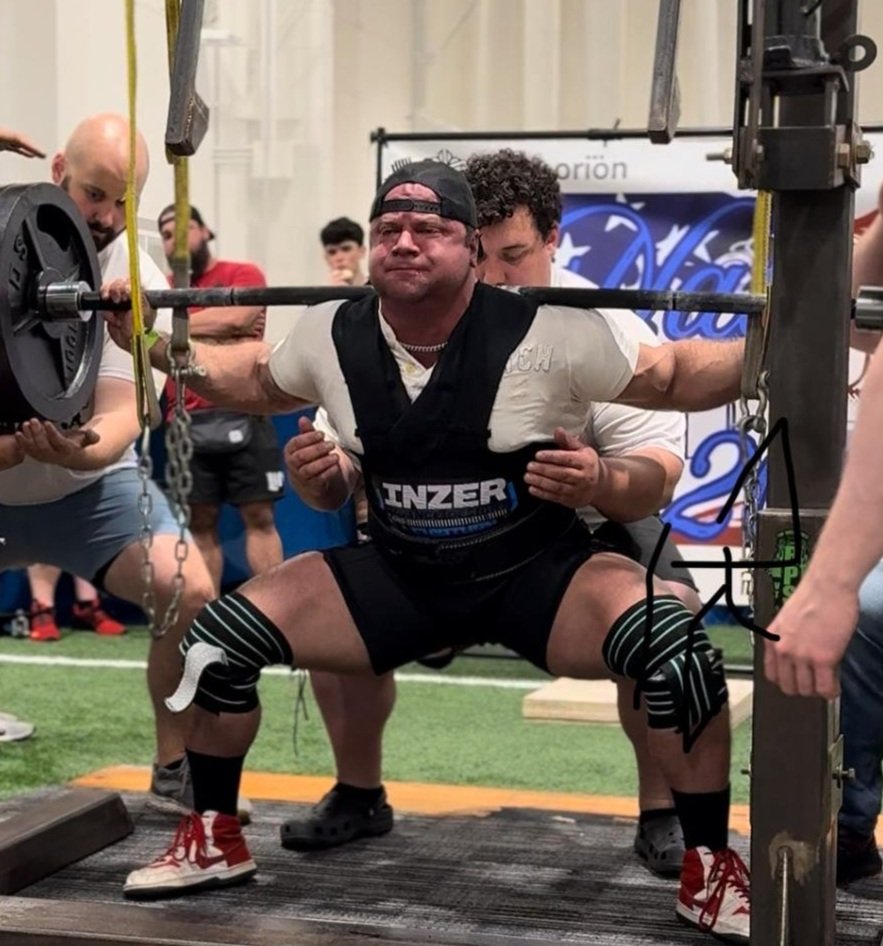
The Comeback Continues - Why RPS Nationals Wasn’t a Failure
This past weekend at RPS Nationals didn’t go the way I had planned. On my final deadlift warmup, I felt that dreaded pop in my bicep. Just like that, the meet was over. It looks like a partial tear, and I have an MRI scheduled for Friday to confirm, but even with that setback, I don’t see this meet as a failure. Not even close.
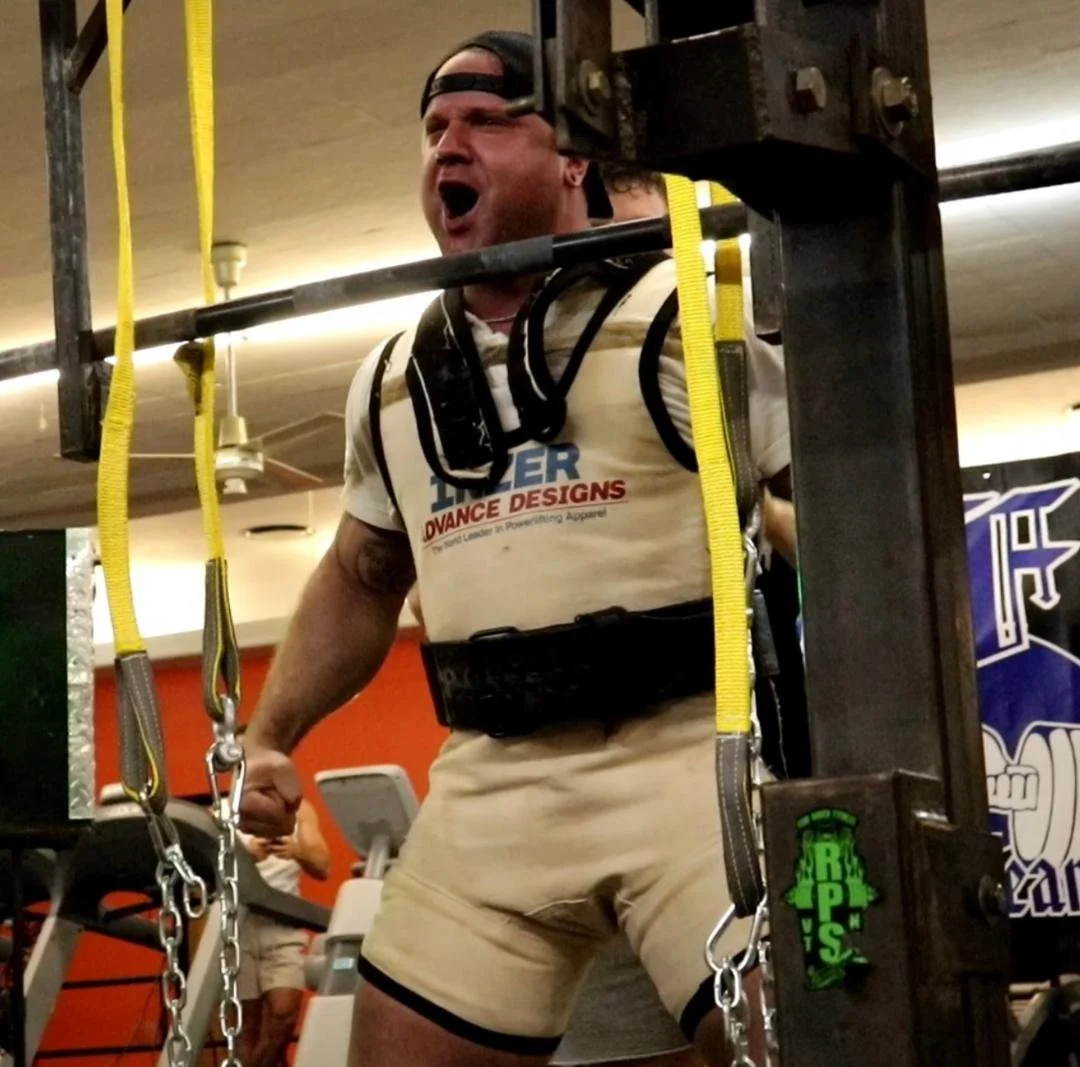
Peak Week. #21.
This Saturday I’ll be stepping on the platform for my 21st powerlifting meet, a journey that started all the way back in 2013 when I totaled 1425 at 242 lbs. Since then, the sport has taken me places I never imagined.